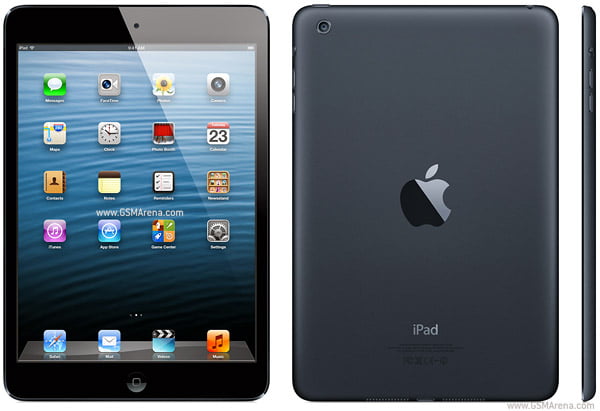
Tablet sales changed a lot in 2014. The market grew only a little. Apple’s iPad still sold the most units. Below we explain what happened.
Tablet Market Overview in 2014
Research firm IDC said worldwide tablet shipments for the whole year were 229.6 million units. That is a growth of 4.4% compared with 2013.
In 2013, tablet sales had jumped more than 50% after a slow 2012. The big jump made many people think the market would keep growing fast.
But in 2014 the growth slowed. The last quarter of the year showed the first year‑over‑year decline since the first iPad was released in 2010.
IDC reported that general tablet shipments fell 3.2% in the fourth quarter, dropping to 76.1 million units compared with the same period a year earlier.
Another firm, Strategy Analytics, said quarterly shipments were 78.3 million units, a small rise of 1%.
Why the iPad Still Leads
Even with the slowdown, Apple stayed the top vendor. IDC gave Apple a market share of 28.1%. Strategy Analytics gave a similar share of 27%.
Apple’s iPad shipments were down 18% compared with the previous year, but the company still sold more tablets than any other brand.
Analyst Eric Smith from Strategy Analytics said the new iPhone 6 line was pulling customers away from the iPad Mini. He also said the success of the Mac could be hurting sales of the iPad Air 2.
Even with these challenges, IDC’s Jean‑Philippe Bouchard said the market could grow again in 2015. He pointed to Microsoft’s new operating system, a move to larger‑screen designs, profit‑focused apps, and new technology like flexible displays as reasons for future growth.
Factors Pressuring Tablet Sales
Several reasons helped slow the market:
- Longer device life: Many users keep their tablets for several years before upgrading.
- Phablets: Large smartphones (often called phablets) give many people a big screen without buying a separate tablet.
- Ultramobile PCs: Small laptops that are very light also compete with tablets.
- Price hikes: Recent price increases for iPads, as reported by WIRED, may make buyers think twice.
Samsung was the second biggest seller with a 14.5% share. Lenovo from China was third with 4.8%, and Asus from Taiwan was fourth with 4.0%. Amazon held the fifth spot with 2.3% share, even though its Kindle Fire tablets fell 70% year‑over‑year to only 1.7 million units in the quarter.
What This Means for Buyers in 2025‑2026
If you are thinking about buying a tablet today, the 2014 data still gives useful clues.
Check the latest reviews
Websites like Wirecutter and T3 have lists of the best Android tablets and the best iPads for 2026. These lists compare price, battery life, and screen quality in simple language.
Consider when to buy
Macworld suggests waiting for price drops after a new iPad launch. If a new iPhone or a new Windows tablet is announced, older models often get cheaper.
Think about how you will use the tablet
- If you need a stylus for drawing or note‑taking, look at the tablets highlighted by Creative Bloq for stylus support.
- If you want a device that can also run desktop apps, the iPad Pro and some Windows tablets are good choices.
- If you want a cheap device for web browsing, the Amazon Fire tablets still exist, but remember they sold far fewer units in 2014.
Watch for new technology
Microsoft’s new OS and flexible display technology could appear in future tablets. These features may improve multitasking and durability.
FAQ
Did tablet sales really fall in 2014?
Yes. IDC said the fourth quarter of 2014 saw a 3.2% drop compared with the same quarter in 2013.
Why did the iPad stay on top despite lower shipments?
Apple still sold more tablets than any other brand. Its share was about 28% of the market, higher than Samsung’s 14.5%.
Are phablets a reason for slower tablet growth?
Yes. Large smartphones give many people a big screen, so they may not feel the need to buy a separate tablet.
Should I wait for a price drop before buying an iPad?
Experts say waiting for a new iPad release can lead to lower prices on older models. Check recent articles from Macworld for timing tips.
Conclusion
2014 was a year of slower growth for tablets. Apple’s iPad kept the lead with about a quarter of all sales. Samsung, Lenovo, Asus, and Amazon followed. The slowdown was caused by longer device life, big phones, and new PC designs. For shoppers today, the lesson is to compare reviews, think about how you will use the tablet, and watch for price drops after new releases. The market may grow again, but buying smart now will save you money and give you a device that fits your needs.